Vandal Resistant Hand Dryers
When You Need One and What Features Matter
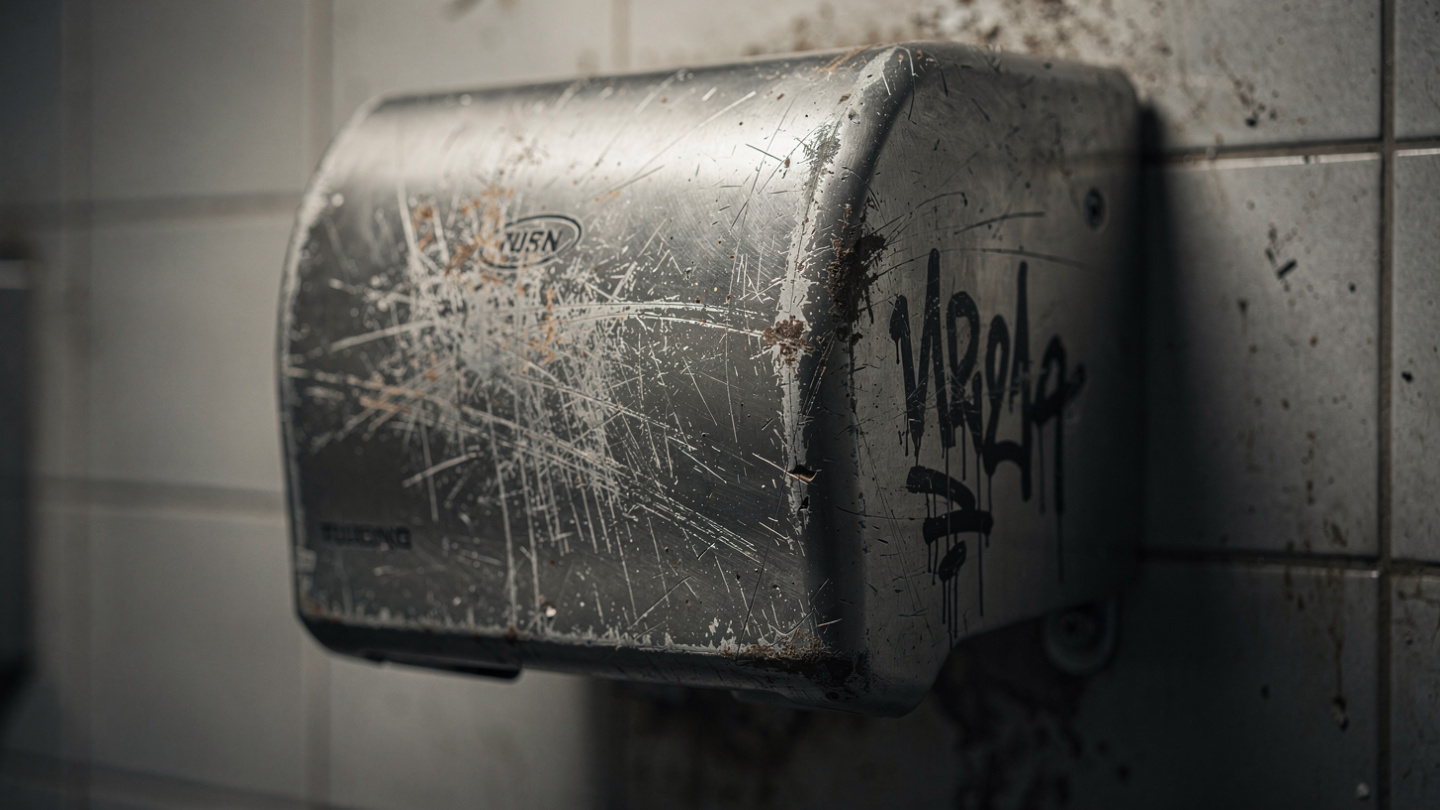
A vandal resistant hand dryer is designed for washrooms where equipment is more likely to be misused, hit, scratched, forced open, or damaged deliberately. It is not always the cheapest type of hand dryer to buy, but in the right setting it can reduce repair costs, downtime, mess, and the inconvenience of frequently replacing damaged units.
For many offices, cafés, small retail bathrooms, and private staff amenities, a standard commercial hand dryer may be perfectly adequate. However, in schools, gyms, night-time venues, public facilities, transport locations, stadiums, parks, service stations, and high-traffic hospitality washrooms, durability becomes a much more important buying factor. The best choice is not simply the toughest-looking dryer; it is the model that balances vandal resistance, drying performance, hygiene, noise, running costs, and ease of maintenance for the specific washroom.
What Makes a Hand Dryer Vandal Resistant?
Vandal resistance is mainly about the strength of the outer casing, the way the dryer is fixed to the wall, the protection of internal components, and the ability of the unit to withstand rough treatment. A vandal resistant hand dryer will typically have a stronger cover than a lightweight plastic model, secure fixings, a robust nozzle or air outlet, and fewer exposed parts that can be pulled, snapped, or tampered with.
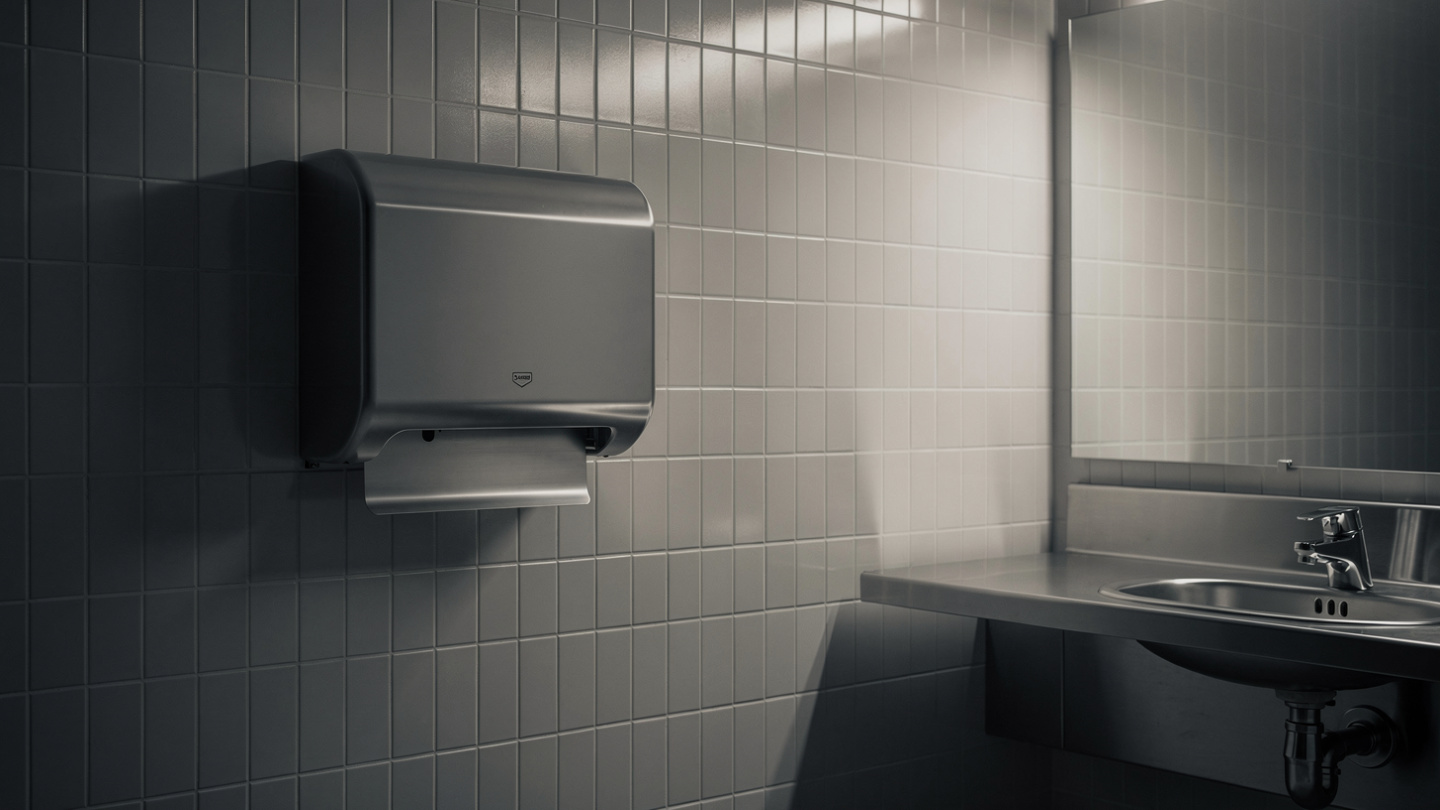
Stainless steel and heavy-duty metal covers are common because they are harder to crack than many plastic housings. A brushed or satin finish can also help disguise light marks and fingerprints better than highly polished finishes. In public washrooms, this matters because a dryer that still looks presentable after daily use helps maintain the overall appearance of the facility.
Some models may also refer to impact resistance, tamper-resistant screws, anti-theft mounting, reinforced backplates, or other protective features. When comparing products, look at the manufacturer’s actual construction details rather than relying only on the words “heavy duty” or “vandal resistant”. A strong casing is important, but it should be supported by good wall mounting and a design that protects the motor, sensor, heater, and electrical components.
When You Need a Vandal Resistant Hand Dryer
The strongest reason to choose a vandal resistant model is not always high traffic alone. A premium office washroom may have heavy daily use but low risk of deliberate damage. By contrast, a low-traffic public toilet in an unsupervised area may need tougher equipment because the risk of misuse is higher.
Vandal resistant hand dryers are worth considering for washrooms that are open to the public, used by large numbers of transient visitors, or located where staff cannot easily monitor behaviour. They are also suitable for venues where alcohol, sport, late trading hours, or student use may increase the likelihood of rough handling.
Common examples include schools, universities, shopping centres, pubs, clubs, gyms, transport terminals, public parks, motorway services, industrial sites, stadiums, correctional or secure facilities, and outdoor-adjacent amenities. In these settings, a standard hand dryer may still function well at first, but its casing, fixings, or controls may be more vulnerable over time.
Start with the Washroom Type and Risk Level
Before choosing a dryer, consider who uses the washroom, how often it is used, and how closely it is supervised. A staff-only office bathroom has different requirements from a school toilet block or a 24-hour public facility. In a controlled environment, style, low noise, and energy efficiency may take priority. In a high-risk environment, durability and secure installation may be more important than having the most elegant design.
For customer-facing hospitality venues, the dryer also needs to suit the standard of the fit-out. A rugged stainless steel unit can work well in a busy restaurant, bar, or entertainment venue, but the finish should still look professional. In schools and sports facilities, simple, robust, easy-to-clean designs are often more practical than complex units with multiple exposed surfaces.
Traffic Level and Drying Speed
Traffic level has a major effect on the type of hand dryer you should choose. Low-use washrooms can tolerate a slightly longer drying time because queues are unlikely. In high-traffic facilities, a slow dryer can cause congestion, frustration, and wet floors as users give up before their hands are dry.
High-speed hand dryers are usually better for busy commercial washrooms because they move users through more quickly. The trade-off is that faster air speed can mean more noise, stronger airflow, and sometimes a higher purchase price. In a vandal-prone washroom, the dryer also needs to maintain that performance in a tough casing; speed alone is not enough if the unit is easily damaged.
For schools, gyms, stadiums, and public amenities, drying speed should be assessed alongside durability. A robust but very slow dryer may survive well, but it may not provide a good user experience during peak periods. Conversely, a very fast but fragile unit may be unsuitable if it cannot withstand the environment.
Casing Material, Finish, and Physical Strength
The outer cover is one of the most important parts of a vandal resistant hand dryer. Stainless steel is widely used because it is strong, corrosion resistant, and suitable for commercial washrooms. Cast metal or heavy-duty steel housings may also be used in rugged designs. The key point is that the cover should resist cracking, bending, and being prised away from the wall.
Finish matters as well. Brushed stainless steel tends to hide minor wear better than mirror-polished surfaces. White powder-coated finishes can look clean and simple, but scratches or chips may be more visible depending on the environment. Dark finishes can suit modern interiors, but fingerprints, dust, and marks may show more readily.
Where vandalism is a real concern, avoid choosing purely on appearance. A slim designer unit may look excellent in an office or hotel bathroom, but it may not be the most practical choice for an unsupervised public toilet. The best finish is one that suits the venue while remaining easy to clean and presentable after repeated use.
Secure Installation and Wall Mounting
A vandal resistant dryer is only as secure as its installation. A strong dryer mounted poorly can still be pulled loose, damaged, or become unsafe. The wall surface, mounting height, fixings, and access to wiring all need to be considered before purchase.
Solid masonry, concrete, or suitably reinforced walls are generally better for heavy-duty dryers than lightweight plasterboard without proper support. If the washroom has partition walls, check whether additional reinforcement is needed. For new builds or refurbishments, planning the mounting location early can prevent problems later.
Hardwired installation is often preferred in commercial and public washrooms because it avoids exposed plugs and leads. Electrical work should be completed by a qualified electrician in accordance with local requirements. Also check whether the dryer needs side, top, or rear cable entry, as this can affect where it can be installed and how neat the final result will be.
Sensor Design and Tamper Resistance
Most modern hand dryers are automatic, using a sensor to activate the airflow. This improves hygiene because users do not need to press a button. In vandal-prone environments, the sensor should be well protected and reliable, with minimal exposed parts.
Button-operated dryers can be simple and durable, but buttons may be more vulnerable to rough use if they are not well designed. Automatic dryers remove the button as a potential damage point, but the sensor must be positioned so it is not easily scratched, blocked, or confused by reflections and lighting conditions.
When comparing models, look for a simple user interface. In high-risk washrooms, fewer controls and fewer exposed openings are usually better. A dryer that is easy for users to understand is also less likely to be hit, shaken, or misused out of frustration.
Hygiene Considerations
Hygiene is an important part of any hand dryer decision, especially in restaurants, healthcare-adjacent facilities, schools, and workplaces. Automatic activation helps reduce touch points. Easy-to-clean surfaces also matter because a dryer in a busy washroom will be exposed to water, soap residue, fingerprints, dust, and general grime.
Some dryers include filters or antimicrobial components, depending on the model. These features can be useful, but they should be assessed realistically. A filter may improve air cleanliness, but it also creates a maintenance requirement. If filters are not checked or replaced as recommended, performance may decline.
For vandal resistant installations, hygiene and durability should work together. A tough dryer with awkward seams, dirt traps, or difficult access for cleaning may be less suitable than a simpler model that can be wiped down quickly. In food service or hospitality environments, ease of cleaning should be a major factor.
Noise Level and User Comfort
Noise is one of the most common trade-offs with high-speed hand dryers. A powerful dryer may reduce drying time, but it may also be louder. In gyms, stadiums, schools, and transport facilities, this may be acceptable. In offices, hotels, restaurants, childcare settings, or washrooms near dining areas, noise may be more important.
Do not judge noise only by whether a dryer is described as “quiet”. Compare the manufacturer’s noise information where available, and consider the room itself. Hard surfaces such as tiles, concrete, glass, and stone can make sound feel sharper and louder. A small enclosed bathroom may make a dryer seem noisier than it would in a larger washroom.
For vandal-resistant applications, the challenge is to find a model that is strong enough for the environment without creating an unpleasant experience. In a school corridor or hotel lobby washroom, a slightly slower but quieter unit may be preferable to the fastest available dryer.
Energy Efficiency and Running Costs
The purchase price is only one part of the cost of a hand dryer. Running costs depend on power consumption, drying time, traffic level, and whether the unit uses heat. A dryer that uses less power but takes much longer to dry hands may not always be the most efficient in real use. Likewise, a powerful high-speed dryer may cost more upfront but reduce drying time and improve throughput.
Heated dryers can feel more comfortable, especially in cooler environments, but heating elements generally increase energy use. Many modern high-speed dryers rely more on air velocity than heat, which can reduce electricity consumption. Some models allow heat to be switched on or off, giving more flexibility across seasons and locations.
In high-traffic public washrooms, energy efficiency becomes more important because the dryer may be used many times each day. A vandal resistant model with efficient operation can be a better long-term investment than a cheaper unit that consumes more power, dries slowly, or needs frequent replacement.
Maintenance and Cleaning Requirements
A hand dryer in a vandal-prone washroom should be easy to inspect, clean, and maintain. Maintenance staff should be able to wipe the cover, check the air outlet, remove dust build-up where required, and identify damage quickly. Complicated designs can increase cleaning time and may be more vulnerable if parts are exposed.
Consider whether the dryer has filters, water collection trays, removable parts, or special cleaning requirements. Some blade-style dryers dry hands very quickly but may have more surfaces to clean than a traditional wall-mounted outlet design. In high-abuse environments, simpler can be better.
Maintenance access should also be secure. Covers should not be easy for the public to remove, but authorised staff should still be able to service the unit without unnecessary difficulty. This balance is important in schools, transport sites, and public amenities where routine checks may be frequent.
Commercial Versus Residential Use
Vandal resistant hand dryers are primarily intended for commercial, institutional, and public washrooms. They are usually more robust than residential models and may be designed for frequent daily use. They may also be heavier, louder, and more expensive than what is needed in a private home.
For residential bathrooms, a vandal resistant dryer is rarely necessary unless it is being installed in a shared facility, apartment common area, workshop, or semi-public amenity. In most homes, compact size, low noise, simple installation, and appearance are more important than impact resistance.
For commercial sites, however, choosing a residential-style or light-duty dryer can be a false economy. If the washroom receives regular public use, the dryer should be selected as commercial equipment, not as a household appliance.
Key Features to Compare Before Buying
When comparing vandal resistant hand dryers, focus on the features that affect real-world performance and durability. The following factors are particularly useful when narrowing down your options:
- Casing strength: Look for stainless steel, heavy-duty metal, or clearly stated impact-resistant construction.
- Secure fixings: Check that the unit can be firmly mounted to the wall type in your washroom.
- Tamper-resistant design: Consider protected screws, reduced exposed parts, and a secure cover.
- Drying performance: Choose a drying speed suitable for the number of users and peak traffic periods.
- Noise level: Balance speed with comfort, especially in offices, hospitality venues, and smaller bathrooms.
- Energy use: Compare power consumption, drying time, and whether heat can be controlled.
- Cleaning access: Prefer surfaces and layouts that staff can clean quickly and thoroughly.
- Finish: Select a finish that suits the venue and can tolerate visible wear.
- Installation requirements: Confirm wiring, wall support, mounting height, and electrical compliance before ordering.
Common Trade-Offs to Consider
There is no single hand dryer that is perfect for every washroom. A very rugged dryer may be heavier and less visually refined than a designer model. A very fast dryer may be louder. A compact unit may save space but may not deliver the same performance as a larger high-speed model. A premium vandal resistant dryer may cost more upfront but may be cheaper over time if it avoids repeated repairs or replacements.
The right decision depends on the cost of failure. In a small private office, a damaged dryer may be unlikely. In a public facility, a broken dryer can create complaints, hygiene issues, wet floors, and extra maintenance work. In that situation, durability has a real commercial value.
It is also worth considering the alternative. Paper towels can be familiar and quiet, but they create ongoing consumable costs, waste, bin maintenance, and mess. In vandal-prone locations, paper towel dispensers and bins can also be misused. A well-chosen hand dryer can reduce waste and simplify washroom management, provided it is suitable for the environment.
Where Vandal Resistance Matters Most
Vandal resistance should be a priority in unsupervised public bathrooms, school washrooms, sports facilities, transport amenities, entertainment venues, and any location with a history of damaged fixtures. It is also important where repairs are difficult to arrange quickly, such as remote facilities, after-hours venues, or multi-site organisations with centralised maintenance.
In premium offices, hotels, and restaurants, vandal resistance may still be useful, but it should be balanced with design, noise, and user experience. A tough stainless steel dryer can look appropriate in many modern commercial interiors, but the product should still match the quality of the surrounding fixtures.
Questions to Ask Before Ordering
Before purchasing, it is worth clarifying the practical details of the washroom and installation. This reduces the risk of choosing a dryer that looks suitable online but is not ideal on site.
- Is the washroom staff-only, customer-facing, student-used, or fully public?
- How many people use the washroom during peak periods?
- Has the site experienced vandalism or damaged fixtures before?
- Is the wall strong enough for a heavy-duty dryer?
- Will the dryer be installed near cubicles, mirrors, doors, or pedestrian flow?
- Is noise likely to disturb nearby work areas, dining areas, hotel rooms, or classrooms?
- Who will clean and maintain the dryer, and how often?
- Is energy efficiency more important than the lowest upfront price?
Practical Conclusion
A vandal resistant hand dryer is the right choice when the washroom is exposed to public use, rough treatment, high traffic, or limited supervision. The most important features are a strong casing, secure wall mounting, tamper-resistant construction, reliable automatic operation, practical cleaning access, and drying performance that matches the traffic level.
For schools, gyms, transport facilities, public amenities, and busy hospitality venues, it is usually worth prioritising durability and ease of maintenance over the lowest purchase price. For offices, restaurants, and hotels, the best choice may be a more balanced model that combines robust construction with lower noise, a refined finish, and efficient operation. For residential bathrooms, a vandal resistant dryer is generally unnecessary unless the space is shared or semi-public.
The best buying decision comes from matching the dryer to the real conditions of the washroom. If the site is low risk, a standard commercial hand dryer may be enough. If damage, misuse, or constant heavy use is likely, a vandal resistant model can provide better long-term value, fewer maintenance problems, and a more reliable experience for users.